Sanctions enforcement tightens around shadow shipping networks
Regulators are targeting the insurers and flag registries that keep sanctioned tankers moving, not just the vessels themselves.
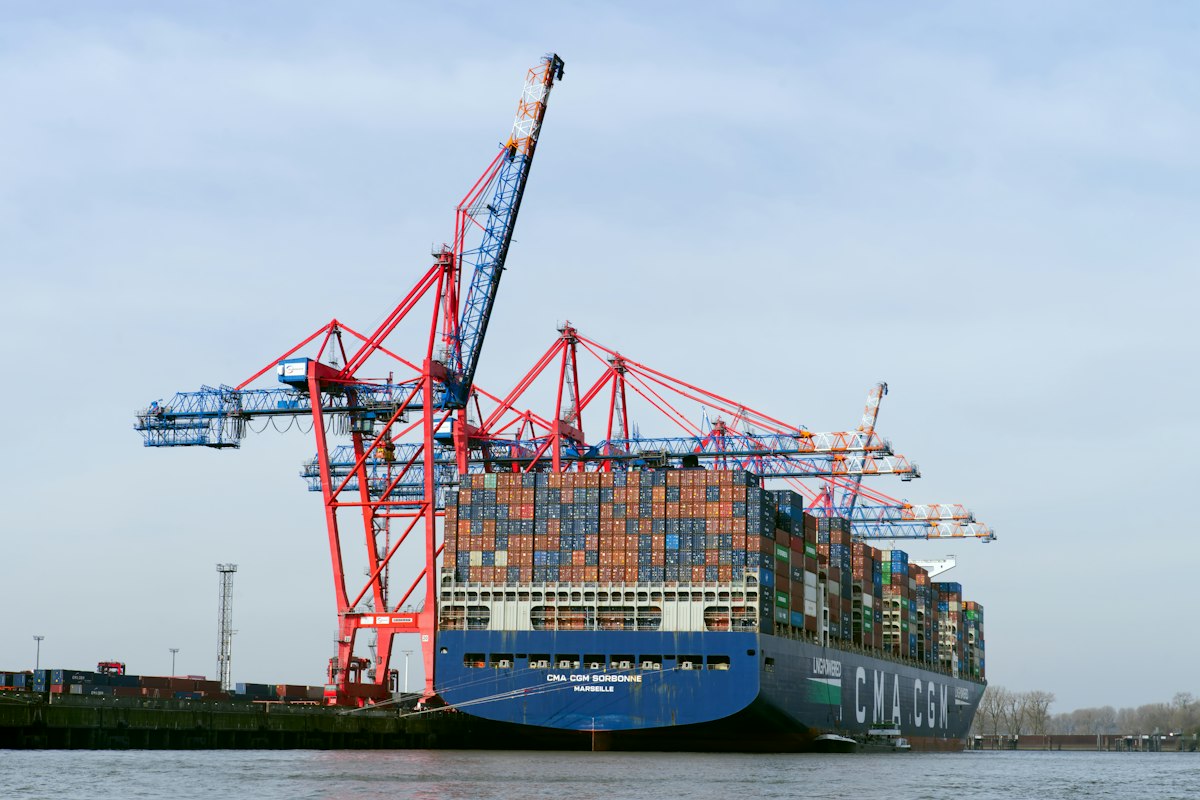
New enforcement actions this month focused on the insurance and flagging layer that underpins so-called shadow fleets, rather than individual vessels.
Analysts say targeting intermediaries could prove more durable than vessel-by-vessel sanctions, which shadow operators have adapted to quickly by reflagging or transferring ownership.
The enforcement actions named several flag registries in jurisdictions with historically limited oversight capacity, along with a smaller number of insurers alleged to have knowingly underwritten vessels operating outside standard safety and ownership disclosure norms.
“Going after the intermediaries — the insurers, the flag registries — is a harder target to replace than any single vessel.”
Shipping industry lawyers note that flag registries operate on thin margins and rely heavily on volume, meaning even modest enforcement pressure — the threat of being excluded from correspondent banking relationships, for instance — can meaningfully change their risk calculus in ways that per-vessel sanctions historically haven't.
The shadow fleet itself has grown substantially over the past several years, now estimated by maritime trackers to number in the several hundreds of vessels, making individual vessel tracking an increasingly resource-intensive enforcement strategy on its own.
It remains to be seen whether registries and insurers respond by tightening their own due diligence or simply relocate operations to jurisdictions further outside the reach of the sanctioning authorities — a pattern seen after previous rounds of enforcement.